DISCOVER SICILY'S WINE, FOOD AND ART TREASURES

Day One: Sicily's Volcanic Wines


HIGHLIGHTS 

Discover Mt Etna with your own expert 

Learn about Sicilian wines and ancient wine growing techniques 

Admire stunning landscapes 

Taste extraordinary rich elegant wines 

Enjoy lunch in a good local restaurant 


We wake up in the Harbor of Catania and head North to Mt Etna.  Etna is one of the world’s most active volcanoes, being in more or less constant eruption. At, currently (the height varies with eruptions), about 3.330 metres or about 10,940 feet, it is about two and a half times the height of Vesuvius and the highest mountain in Italy south of the Alps. The terrain all around it is immensely fertile and 

supports a thriving agriculture of orchards and vineyards as far as he eye can see.  A National Park offers magnificent walks and also, farther up and for the intrepid, rather strenuous treks. Villages all around offer very good eating and drinking. The constantly smoking giant is an awesome sight, especially at night during a major blow-out. 

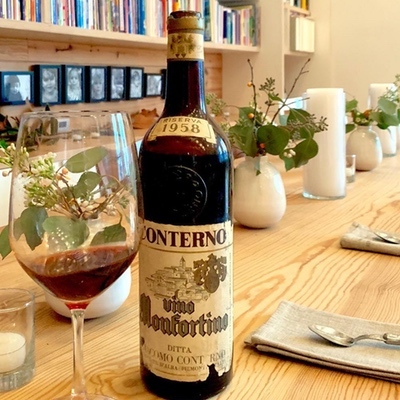
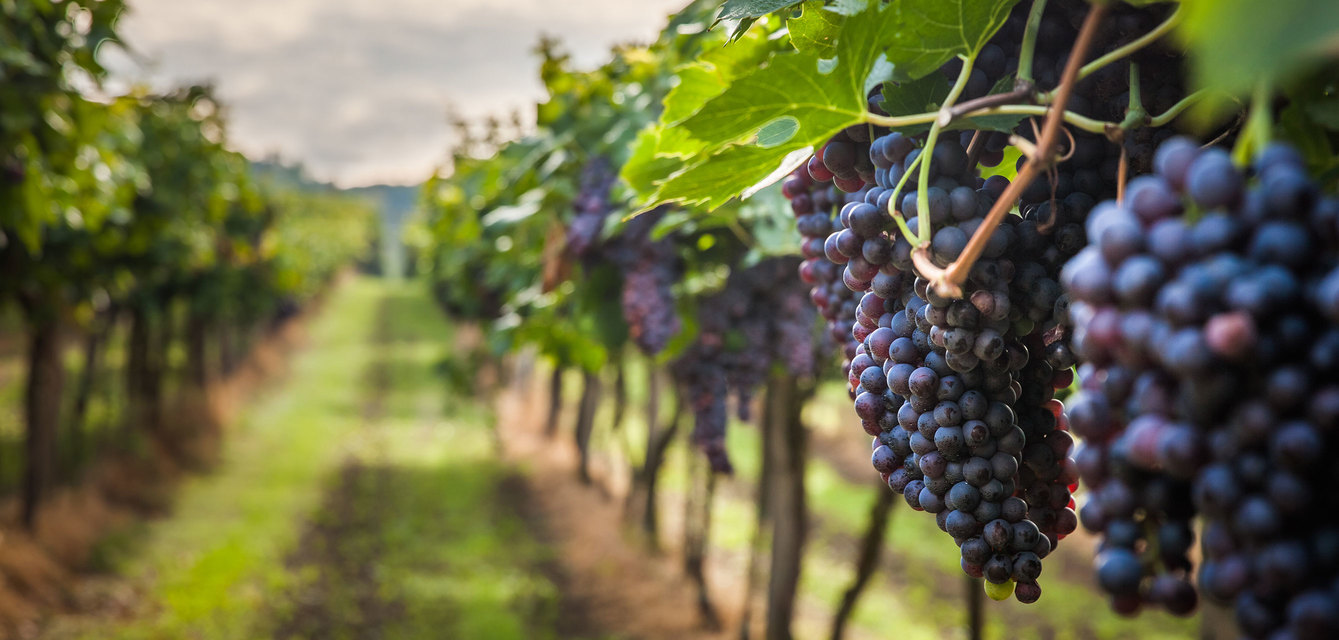
That viticulture is nothing new on Etna is evident from the ancient narrow stone terraces that trace contour lines around the mountain. But it is only very recently that the particularly mineral-influenced wines grown on Etna’s slopes have begun a renaissance in their own right, and many of these densely-planted old terraces are being rehabilitated. 500,000 years of volcanic eruptions have created endless soil variation in neighboring plots of land, many of them radical. Above all else, the extraordinary elevation yields dramatic temperature variations between night and day, making the wines of Etna fine and elegant, devoid of the heat and overripe flavors that usually define southern wines. 


To better understand this great wine land we will visit some great producers. These may include  Passopisciaro  Marc de Grazia and Benanti to name a few. 

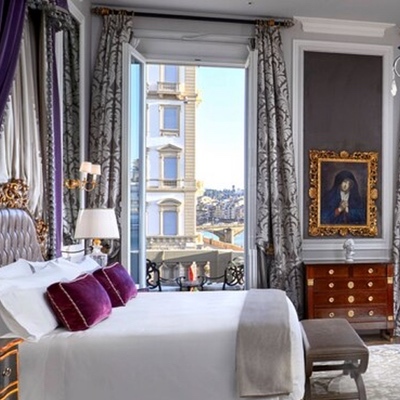
In the afternoon we head to the center of Ragusa and check in to our charming boutique style hotel. 


Day Two: Syracuse and The chocolate of the Gods in Modica


HIGHLIGHTS 

Explore a wonderful baroque town in southeast Sicily 

Discover a heritage that can be traced back to the Aztecs in Mexico 

Admire Ortigia's astonishing sandstone Palaces 

Visit architectural and artistic masterpieces 

Taste Modica's specialties in a local restaurant 

Indulge in delicious chocolate delicatessen 


Modica, like the other towns in the Val di Noto, was badly damaged in the 1693 earthquake and largely rebuilt in Sicilian Baroque style. Now a wonderful baroque town in south-east Sicily, Modica is known around the world for chocolate in all forms: hot drinking chocolate, chocolate biscuits, chocolate confectionary and pastries of all sorts. These creations contain not a few "secret ingredients", among them agaves and aubergines! 

This heritage can be traced back to the Aztecs in Mexico, from them to the Spanish Conquistadores, thence to Spain generally, and finally to a Sicily ruled by Spain from the 13th to the 16th centuries. Today the Modica 

chocolate is still made according to the ancient Aztec recipe. The low temperatures and the cane sugar added during the process gives the paste a very special intensity and crystal granularity.    

Why chocolate manufacture should have struck  such root in Modica, especially in the mid-19th century, hasn’t been documented. It is certainly a Mecca for chocolate lovers and a very beautiful city to visit. 

Modica was destroyed by an earthquake in 1693 and was rebuilt in baroque and rococo styles. 

In the afternoon we visit Syracuse. The many great remains of the ancient world as well as wonders of Sicilian baroque and the breath-taking sea views make modern Syracuse one of Italy's most romantic and desirable 

attractions. 


Day Three: Ragusa, Cos and Ciccio Sultano's Haute Cusine


Today we visit the Cos winery. Two grape varieties - Nero d'Avola and Frappato - grown biodynamically and fermented in terracotta amphorae and no sulphur dioxide is used until bottling this pretty 'natural' wine. Cos is one very unique winery where you will discover “new” horizons of wine making. We'll enjoy the charming views all around and taste these very special wines before we head to a second producer for an informal buffet lunch. 

We return to our hotel early to enjoy some time in the beautiful Baroque city of Ragusa and in time to prepare for our spectacular dinner at Ciccio Sultano's restaurant Il Duomo, The best restaurant in Ragusa and possibly all of Sicily. This restaurant is attractive and well located in a palazzo just alongside of the Duomo in Ragusa-Ibla. The food is excellent, creative yet satisfying.  

Ciccio Sultano will greet us  with his lively communication, his old-fashioned silhouette and his mise en place made of peasant’s caps and velvet jackets he wears as civilian dress. 


Day Four: Palermo 

HIGHLIGHTS 

Visit Palermo with your own friendly expert guide 

Admire Important and beautiful works of art 

Explore the street markets in the mediaeval part of town 

Stop at the Antico Caffè Spinnato


Today we drive from Ragusa to Palermo.  After check-in at our hotel we set off to explore the city with Giacomina our friendly knowledgeable guide. Giacomina will take us on to the Capo, one of the city's three street markets in the mediaeval part of town: a colourful scene with Near Eastern overtones in the heart of the food-trade district . . .every savoury dish in Palermo’s extensive culinary repertoire really begins here. 

We'll stop at the Antico Caffè Spinnato, founded in 1860 and considered by locals to be the place for real Sicilian cannoli, those celebrated pastry rolls stuffed with fresh ricotta cheese, candied fruit and pistachios that are even more memorable when accompanied by a Sicilian espresso or cappuccino. 

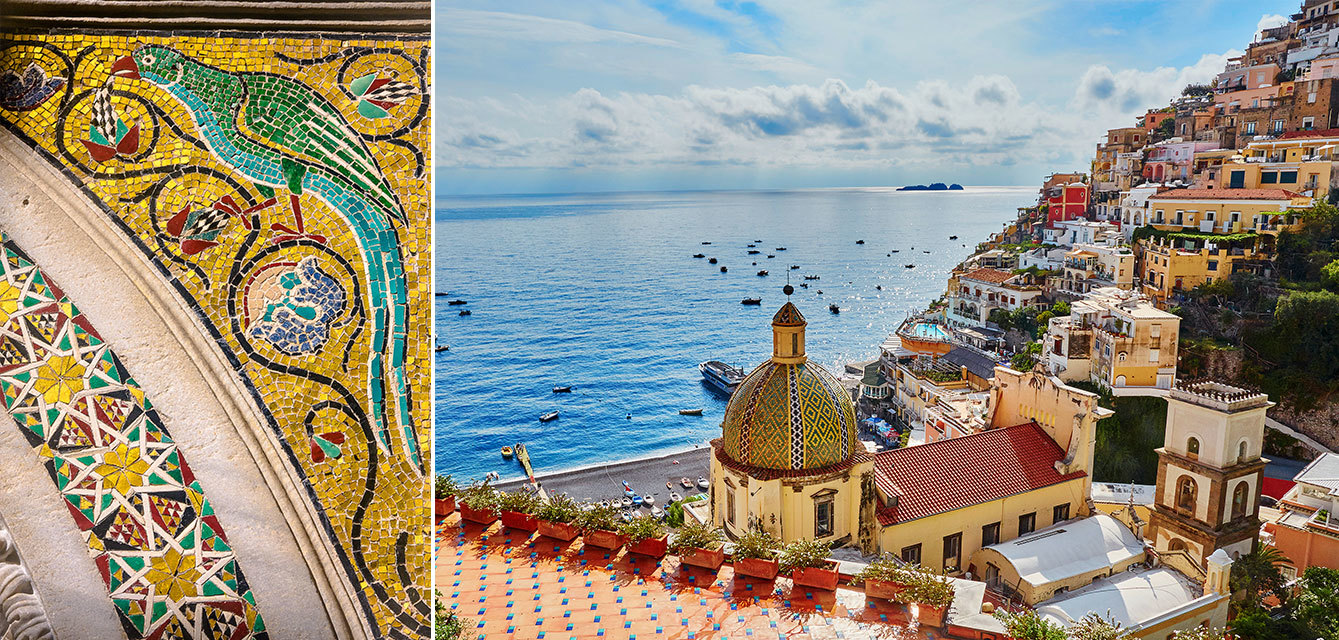
Next comes a visit to some of Palermo’s historical and artistic highlights. For eight centuries the city was a wealthy and powerful capital for both Arab and Norman cultures and accordingly reflects the philosophies and arts of those two worlds. Great works  of East and West survive side by side in sometimes startling contrast. For a glimpse of this period you may elect to visit one or more of these sites: The twelfth-century Palatine Chapel, built by the Normans but decorated with precious mosaics in Byzantine and Islamic styles; The Church of St. John Heremite, built to look like a red-domed Mosque; The nearby Cathedral, originally built by the Normans, but altered and redecorated every century or so as new rulers and their fancies replaced those defeated or in natural decline; But Palermo abounds in many other treasures of baroque and rococo times... 


Day Five: Marsala and Segesta

HIGHLIGHTS 

Explore south western Sicily 

Learn about Marsala and its making technique 

Enjoy tasty dishes prepared with Marsala 

Admire the temple of Segesta 

Discover the beautiful, huge Florio wine cellars 


Our last day we set off for a day trip to Marsala, by far Sicily's most famous wine. At the end of the 18th century and well into the 19th, Marsala was rated in Britain and France on a level with the very best of Ports, Madeiras and Sherrys among sweet wines. In 1801 Horatio Nelson ordered 488 barrels of Marsala Prime, presumably for the officers of the British fleet. 

By the 1840s all sweet wines had declined in the world’s taste in favour of dry table wines. All producers suffered, many vanished, whilst others, including far too many in and around Marsala, compromised their name and the stature of the region by producing artificially- flavoured fluids aimed at pleasing the changed tastes.  The results were of course disastrous. Still, a few estates refused to compromise, clung firmly to the best of the ancient methods . . . and slowly captured the much reduced but, owing to the now restricted supply, now also quite profitable market of imbibers still faithful to tradition all over Europe . . . and also, as recorded by Edgar Allen Poe and Herman Melville in letters, in the young America. Out of this tenacious reserve came a Marsala revival that has flowered astonishingly since Victorian times, especially in the last fifteen years. 

The Florio winery boats a beautiful cellar dating back to 1832. The collection includes over 40,000 historic Florio wine bottles that have attracted many famous and less famous visitors. Other great visits may include Donnafugata, De Bartoli Before returning to your hotel in Palermo, you´ll stop in Segesta for a visit of the magnificent Greek temple or you will stop by the seaside to see some of the old salt pans, most of which are still used today for producing sea-salt. Dotted by colorful windmills, this is certainly one of the most spectacular coastlines in Sicily. 

The day ends with a fun and lively Sicilian Wine Challenge Farewell Dinner in an excellent restaurant in Palermo. Cheers! 


THE PRICE INCLUDES 

Five nights in 4 star boutique style hotels 

One night in double cabin on cruise 

Nine breakfasts 

The services of a wine and food expert guide each day 

The services of a friendly and knowledgeable art history guide in Naples, Palermo and the Noto Valley 

Travel by luxury 36-50 seat bus 

Parking fees, highway fees and driver's expenses 

City access taxes 

Visits to one/two top rated winery per wine tour 

Tasting of current release wines 

Visit to a chocolate producer in Modica 

Tasting of local products 

Visits to the cities of Siracusa, Modica, Ragusa and Palermo and Catania or Piazza Armerina 

Lunch each day (combination of informal buffet lunches and traditional restaurants) 

Two dinners in superior category restaurants with our selection of wines 

Informative material 

20% Vat tax 


THE PRICE DOES NOT INCLUDE 

Flights 

Personal expenses 

Travel insurance 

EXTRAS 

Any other good or service not listed above 

WInes different from our selections 

Luggage handling at airportS 

HOTELS 

Palazzo Decumani in Naples 

Private double Cabin on the Ship from Naples to Catania 

De Stefano Palace in Ragusa 

Hotel des Palmes in Palermo


Le Baccanti Tours Srl p.iva: 05446100488 | copyright | credits