The Italian Grape Harvest
A journey through Italy’s vineyards and wine traditions at harvest time.
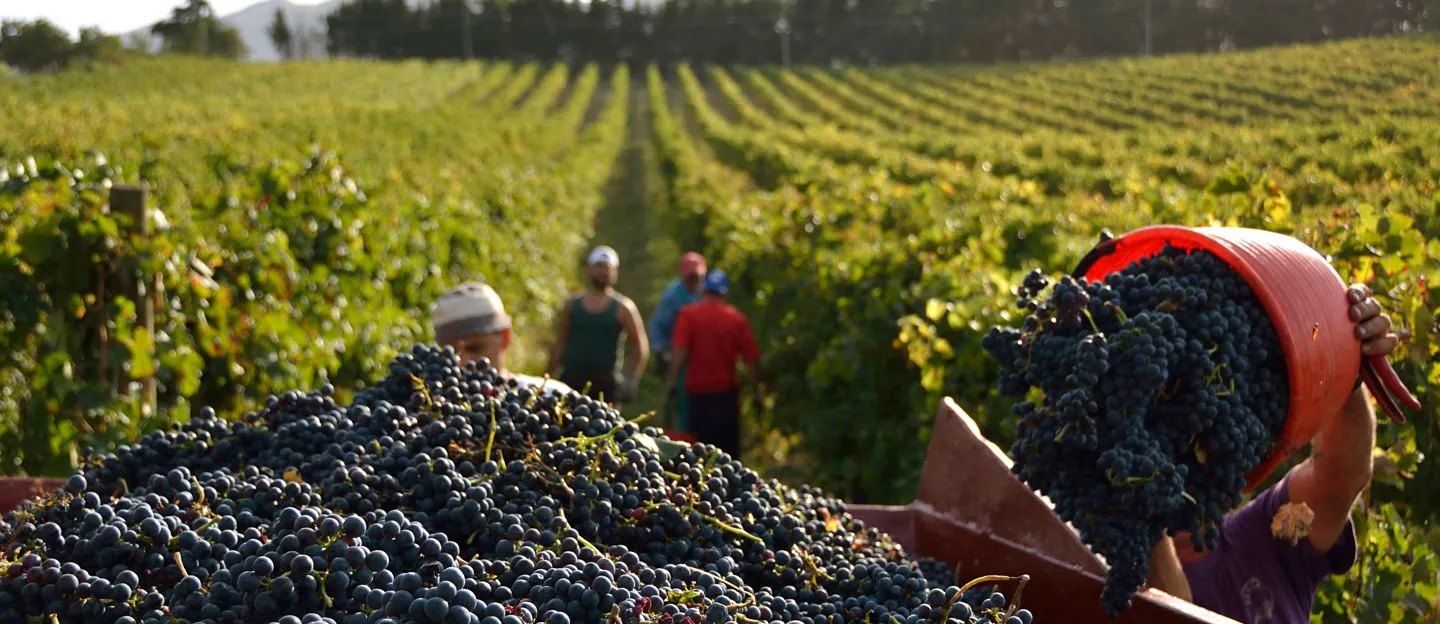
Every autumn, as Italy’s landscape turns golden and the air grows cool, a centuries-old ritual begins: the Italian grape harvest, or vendemmia. Across the peninsula – from the Alpine valleys of Trentino to the sunlit vineyards of Sicily – grapes are picked, pressed, and transformed into the wines that define Italy’s cultural identity.
The harvest is not just a task but a celebration of craftsmanship, patience, and connection. It’s one of the most meaningful moments of autumn in Italy, inviting travellers to slow down, savour, and discover the artistry behind every bottle.
The Magic of the Italian Grape Harvest
To join the vendemmia is to experience Italy through its senses. The air smells of ripe fruit and crushed leaves, and the rhythm of work blends with laughter and conversation. In every vineyard, from family-run farms to elegant estates, harvest is a ritual that unites generations.
When Is the Harvest Season in Italy?
The harvest season in Italy typically runs from early September to mid-October, though the timing varies with each region and climate.
- Southern Italy (Sicily, Puglia) begins first, under the late-summer sun.
- Central Italy (Tuscany, Umbria) follows in mid-September.
- Northern regions (Piedmont, Veneto, Trentino) harvest later, as cool mists roll over the vineyards.
While Tuscany and Piedmont are among the most famous Italian wine regions, the vendemmia takes place throughout the country – from Abruzzo to Sardinia, from Lazio to Friuli – each area adding its own flavour and tradition.
Discovering Italy’s Major Wine Regions
While every region celebrates its own vendemmia, a few areas stand out for their historic vineyards and signature wines.
Tuscany – The Heartbeat of Sangiovese
Golden hills, cypress-lined roads, and stone villages: Tuscany embodies the romance of the grape harvest. In the Chianti Classico area, Sangiovese grapes mature into wines that balance brightness and depth. Farther south, in Montalcino, the same grape becomes Brunello di Montalcino, celebrated for its elegance and longevity.
Each valley here tells its own story, where medieval villages, olive groves, and vineyards weave a timeless landscape that defines the essence of Italian wine. To walk through these hills during the vendemmia is to feel Tuscany’s quiet harmony – where craft, nature, and patience meet in perfect rhythm.
Piedmont – Elegance in the Mist
In Piedmont, the autumn fog wraps the Langhe hills, nurturing Nebbiolo grapes into Barolo and Barbaresco. The harvest coincides with the Alba White Truffle Fair, where wine, food, and tradition merge into a sensorial celebration.
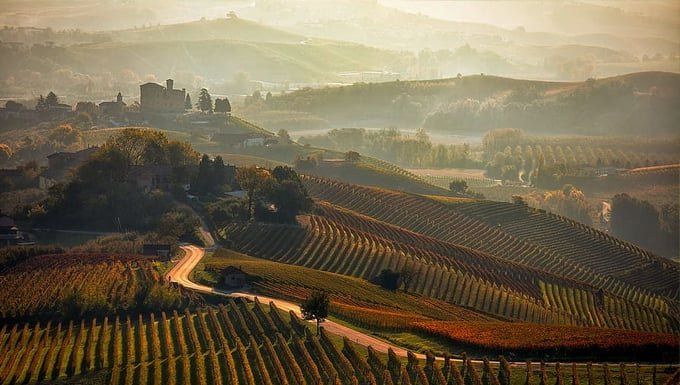
Each valley here tells its own story, where medieval villages, olive groves, and vineyards weave a timeless landscape that defines the essence of Italian wine.
Veneto – From Prosecco Hills to Amarone Valleys
The Veneto region offers contrasts: sparkling Prosecco from Valdobbiadene, and rich Amarone from Valpolicella. Visiting during the harvest means tasting both freshness and intensity.
Here, the gentle hills between Venice and Verona reveal a unique balance between heritage and innovation, where centuries-old cellars meet the vibrant energy of modern winemaking.
Sicily – Sun, Sea, and Volcanic Soil
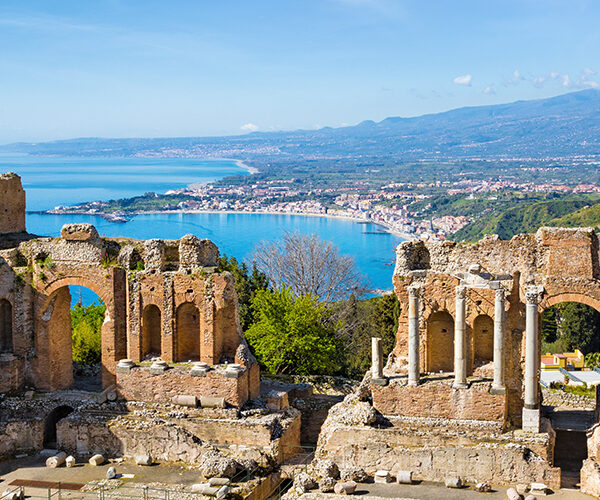
Sicily’s vineyards, particularly on Mount Etna’s slopes, yield wines defined by their volcanic character. The harvest stretches into late October, offering travellers a final taste of the season under warm southern skies.
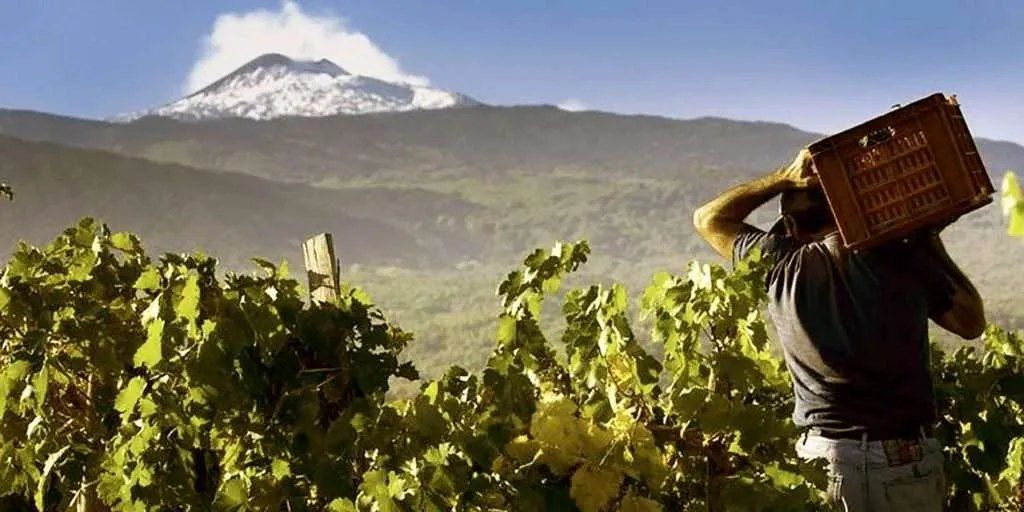
From Marsala’s coastal plains to Etna’s terraced slopes, Sicily’s vendemmia reveals a landscape of contrasts – fiery, fertile, and profoundly expressive.
The Art and Tradition of the Vendemmia
A Celebration of Heritage
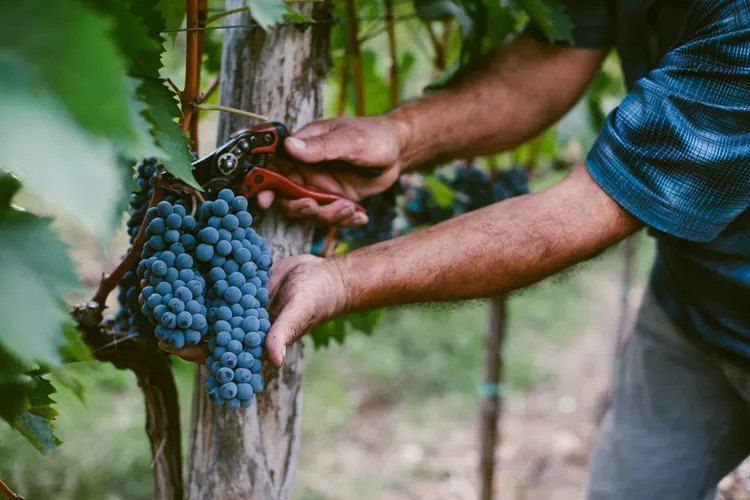
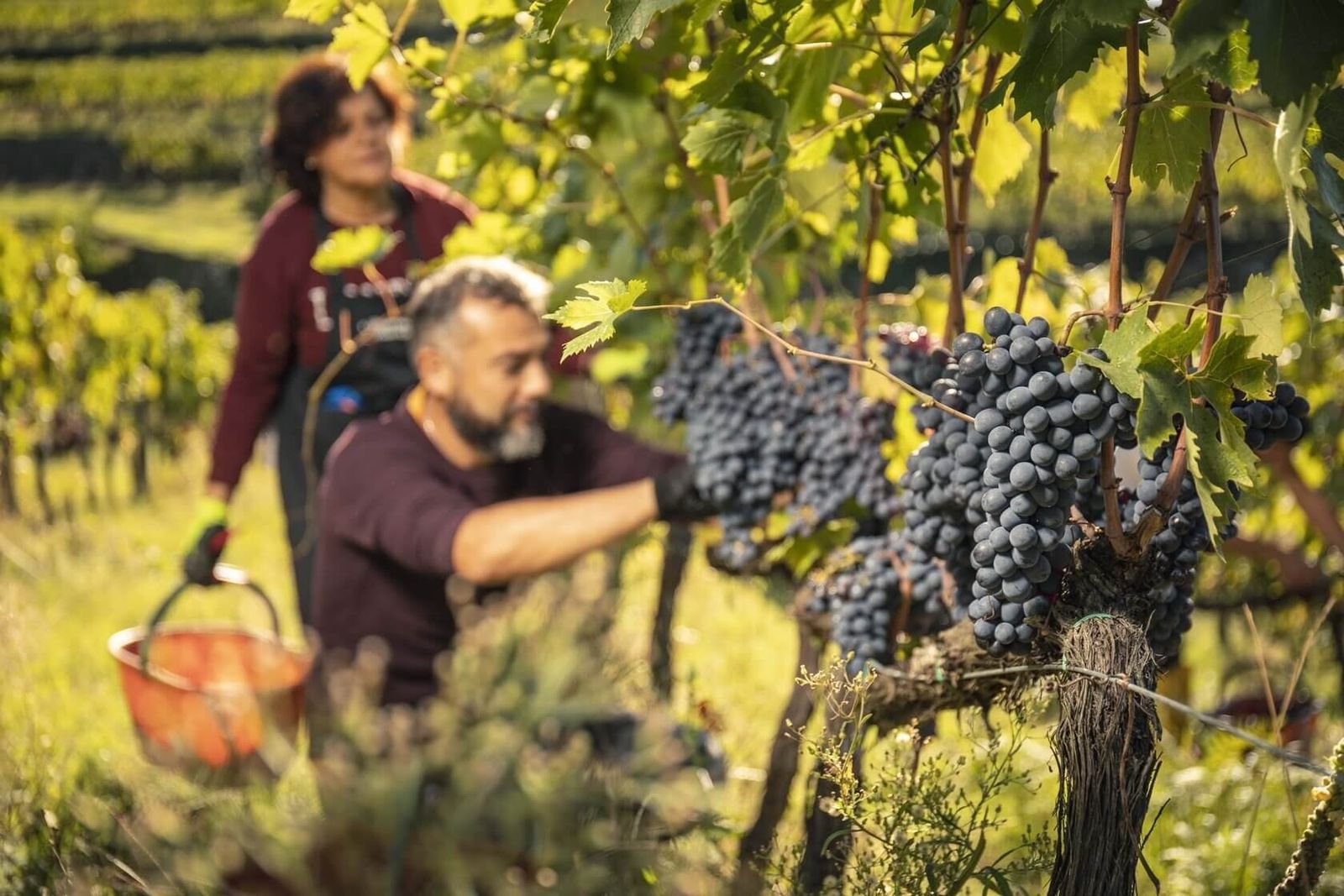
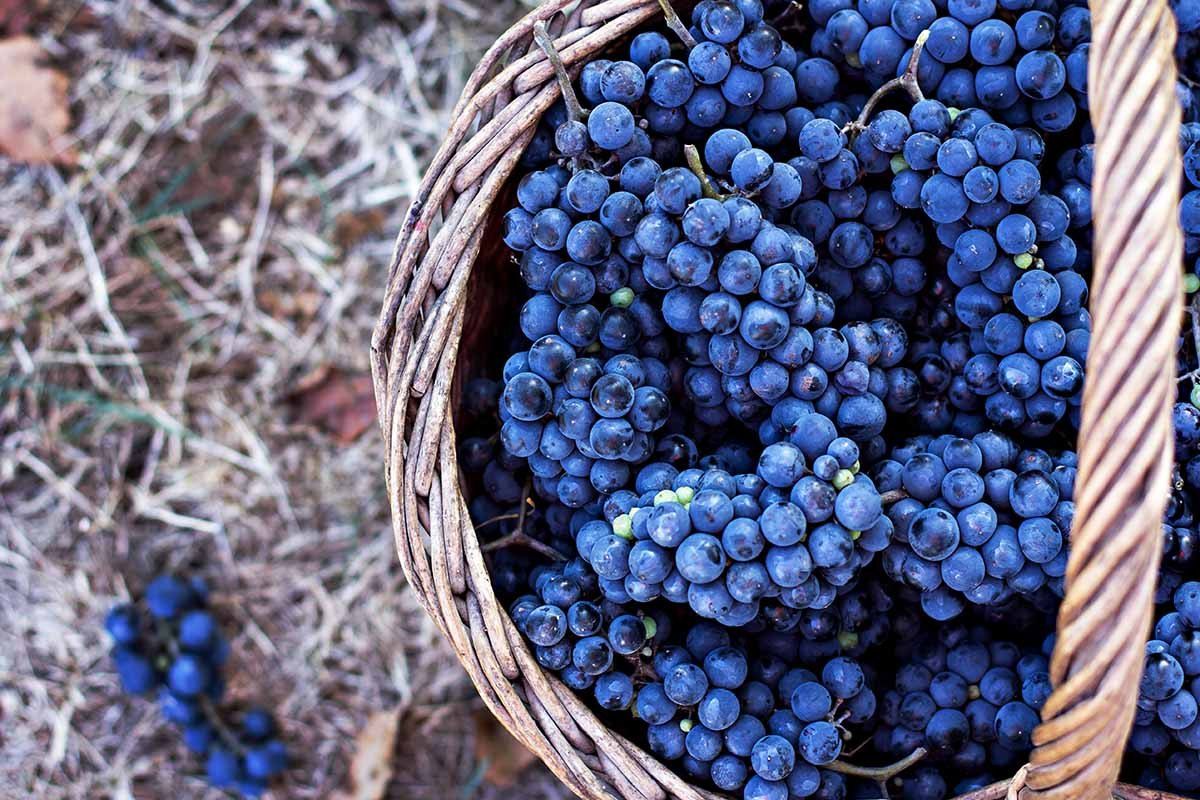
In many small estates, the vendemmia remains a family affair. Grapes are picked by hand, one cluster at a time, guided by touch and instinct. It’s slow, meticulous work – a dialogue between people and nature that has remained unchanged for centuries.
Although technology has modernised winemaking in many parts of the world, in Italy the harvest remains an act of intimacy. In small family-run estates, grapes are still gathered by hand, one cluster at a time. The work begins early, before the sun grows strong. Harvesters move quietly between the vines, hands brushing against leaves still wet with dew, selecting only the ripest bunches by instinct – a skill refined over generations.
A Communal Feast
The vendemmia, as it’s called, is as much celebration as it is labour. Families, friends, and neighbours gather to share the day, and the vineyard fills with voices, songs, and the clatter of baskets being filled and emptied. At midday, work pauses for a long meal under the shade of an oak or olive tree – homemade bread, pecorino cheese, ripe tomatoes, and a carafe of last year’s wine. The experience is communal and grounded, a moment where time slows and tradition takes shape through taste, scent, and companionship.
Participating in such a harvest is to experience authenticity in its purest form. You become part of a story that repeats every year, yet never quite the same – shaped by weather, soil, and human touch. It’s not a performance, but a way of life, preserved with quiet pride.
From Tradition to Innovation – Modern Italian Winemaking
Balancing Craft and Technology
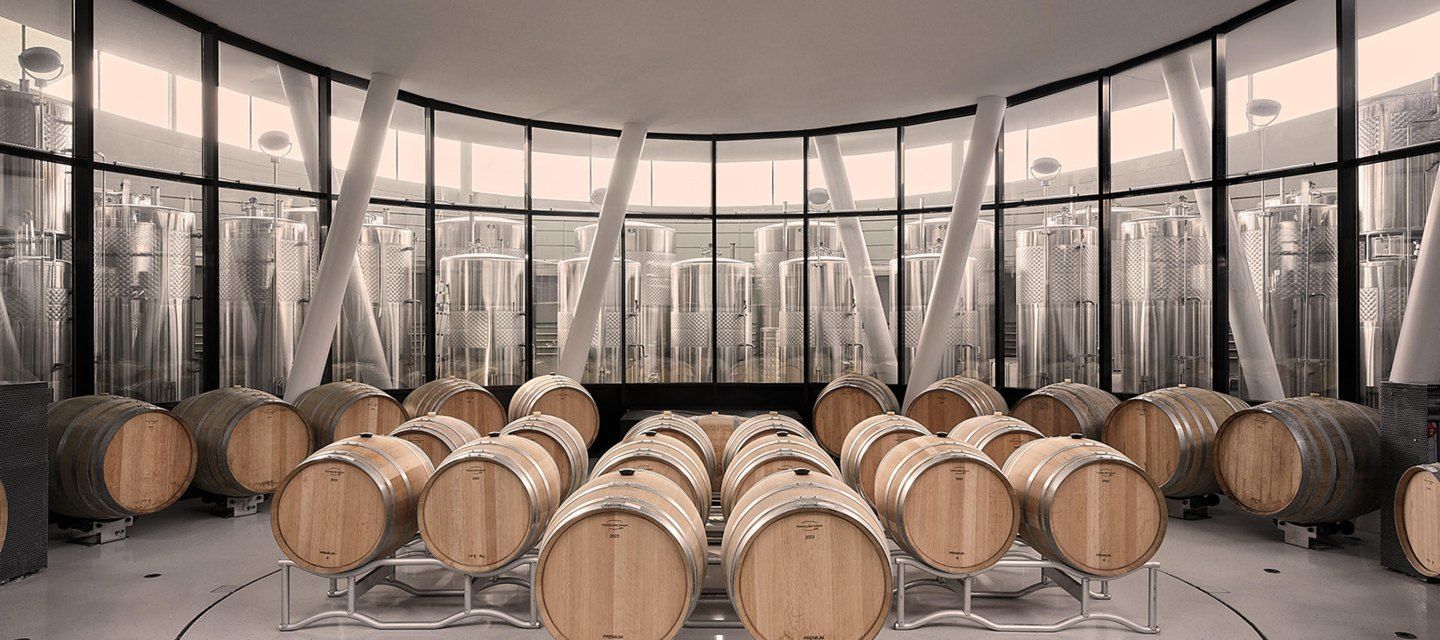
Today, Italian winemaking balances heritage with innovation. In many estates, stainless steel vats and temperature-controlled fermentation sit side by side with age-old wooden barrels and hand-operated presses. Technology ensures consistency and precision, but the essence of the process – the tactile care, the patience, the sensory judgement – remains human.
Some wineries experiment with natural fermentation or biodynamic farming, allowing the environment to dictate the pace. Others maintain ancient practices such as foot-crushing grapes for small-batch wines. What unites them all is respect for the land and a refusal to rush. Wine in Italy is never only a product; it’s a translation of place, memory, and emotion.
A Living Dialogue
Witnessing this dialogue between old and new gives travellers a deeper appreciation for the complexity behind each bottle. The experience moves beyond tasting – it becomes understanding. You begin to recognise how climate, soil, and human intuition intertwine to create something enduring and alive.
Wine Festivals in Italy – Celebrating the Season
The Italian harvest season culminates in festivals that unite communities and travellers in shared celebration.
In Tuscany, the Chianti Classico Wine Festival in Greve fills medieval piazzas with music, artisan food, and generous tastings of the region’s most beloved reds. In Piedmont, the Alba White Truffle and Wine Fair transforms the town into a fragrant feast for the senses, pairing Barolo and Barbaresco with the season’s prized fungi. Smaller celebrations in Umbria, Veneto, and Sicily offer intimate gatherings where visitors can meet winemakers, sample new vintages, and join traditional dinners in candlelit cellars.
Each festival reveals a facet of Italian culture – convivial yet refined, ancient yet ever-renewed. For those who travel in search of connection rather than spectacle, these moments embody the essence of Italian autumn: time shared, flavours savoured, and memories crafted with care.
Plan Your Italian Grape Harvest Journey
The Philosophy of Fare con Calma
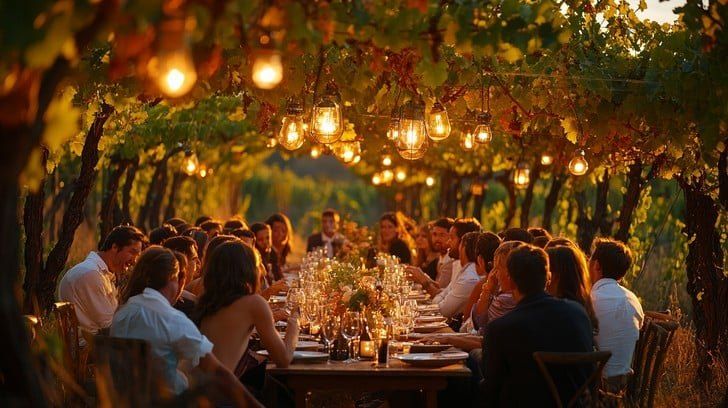
To travel during the vendemmia is to move at the rhythm of the land. Morning harvests, afternoon tastings, and unhurried dinners create a journey that’s both luxurious and grounded.
Luxury here means connection: sharing wine with the winemaker, savouring the scent of fermenting grapes, and feeling time slow around you. This is the heart of slow travel wine experiences in Italy.
Best Time to Visit
- South (Sicily, Puglia): late August–mid-September
- Central (Tuscany, Umbria): mid-September–early October
- North (Piedmont, Veneto): late September–mid-October
What to Expect
Cool mornings, golden afternoons, and warm hospitality. You’ll harvest grapes, taste new vintages, and share long meals under the autumn light.
FAQ – The Grape & Wine Harvest in Italy
- When is grape harvest season in Italy? From early September to mid-October, varying by region.
- Can travellers join the grape harvest? Yes, many wineries welcome visitors to take part in the vendemmia, enjoy vineyard lunches, and taste new wines.
- Which regions are best for harvest experiences? Tuscany and Piedmont are timeless, but Umbria, Veneto, and Sicily offer equally authentic experiences across Italy.
The Soul of the Season
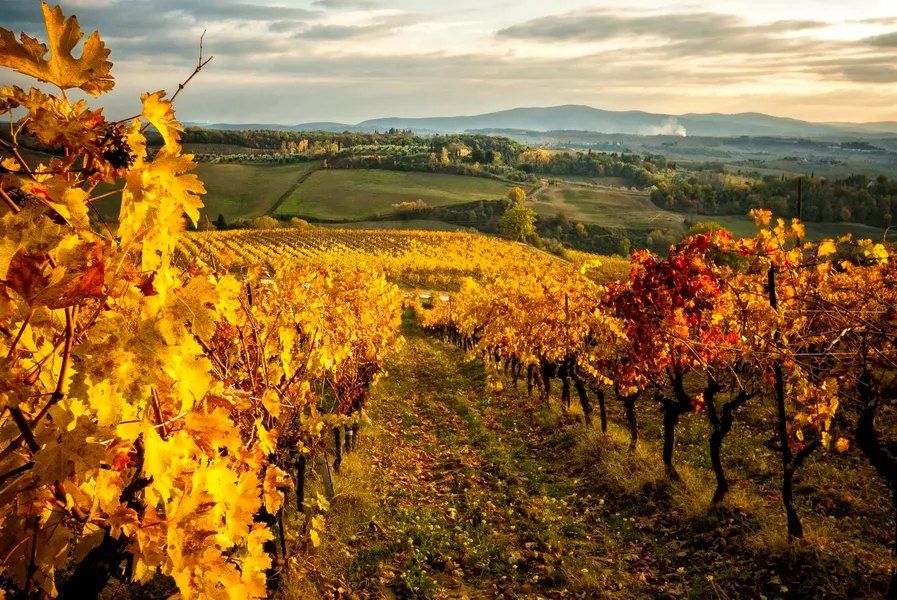
The Italian grape harvest is more than a season – it’s a celebration of heritage and harmony. Each grape, each glass, carries the story of land and time.
For those who seek authenticity, patience, and connection, this is Italy at its finest.
Begin your journey with Le Baccanti and discover the artistry of the Italian vendemmia through curated wine tours, local encounters, and unforgettable moments of slow travel.