Hidden Villages Between Tuscany, Umbria & Marche
Hill villages, local flavours and slow summer days where Tuscany, Umbria and Marche meet.
Italy’s heart beats quietly beyond its famed cities and celebrated landscapes. Nestled between Tuscany, Umbria, and Marche, a constellation of hilltop villages, quiet piazzas, and cobbled lanes invites travellers to slow down, savour, and linger. These hidden villages between Tuscany, Umbria & Marche offer a summer experience steeped in sensory richness: fragrant wildflower fields, artisanal cuisine, centuries-old craftsmanship, and festivals that reflect living traditions.
Introduction – Setting the Scene
Why this region feels untouched
The triangle where Tuscany meets Umbria and Marche is a mosaic of rolling hills, forested valleys, and the dramatic slopes of the Sibillini Mountains. Unlike more famous destinations, these villages have remained largely invisible to mass tourism. Winding roads thread through farmland rather than motorways, and medieval towers and terracotta rooftops have resisted modernity. Here, history is alive in the rhythm of daily life: smoke curling from chimneys, church bells echoing across fields, and villagers tending gardens and markets in harmony with the seasons.
Summer as the perfect season for slow travel
Summer transforms this landscape. Fields bloom with poppies, wildflowers, and lentils; trattorias reopen with locally sourced produce; festivals celebrate centuries-old rituals of food, music, and faith. Early mornings offer cool, quiet light for walking, while late afternoons bathe villages in golden hues, perfect for photography. Unlike heavily touristed areas, the pace here encourages presence and contemplation rather than schedules.
The Heart of Hidden Villages
Castelluccio di Norcia & the Pian Grande Bloom
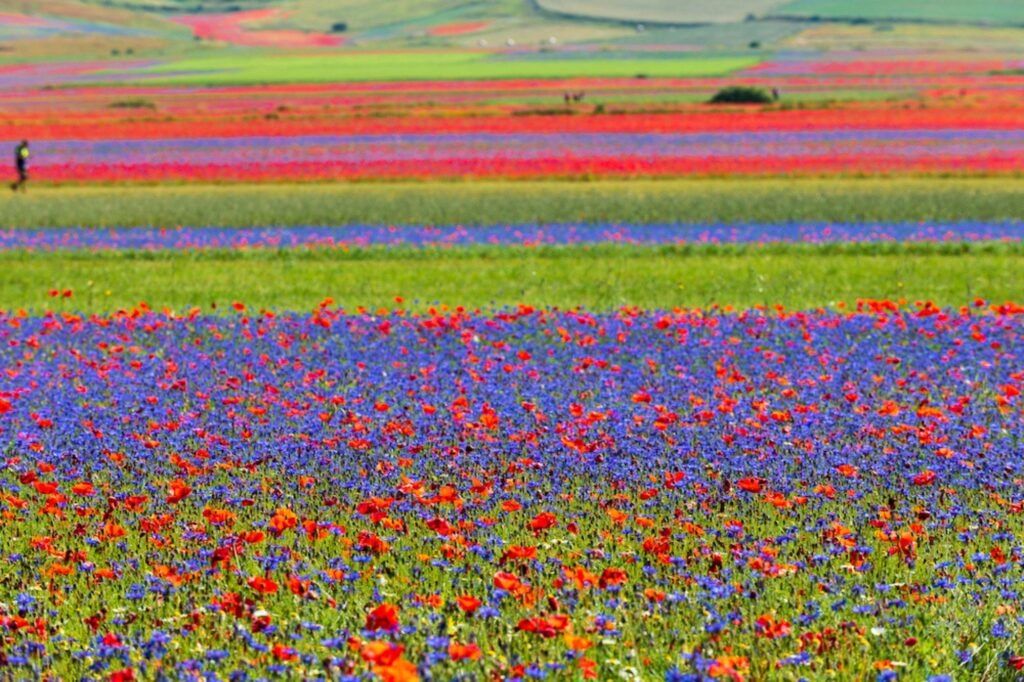
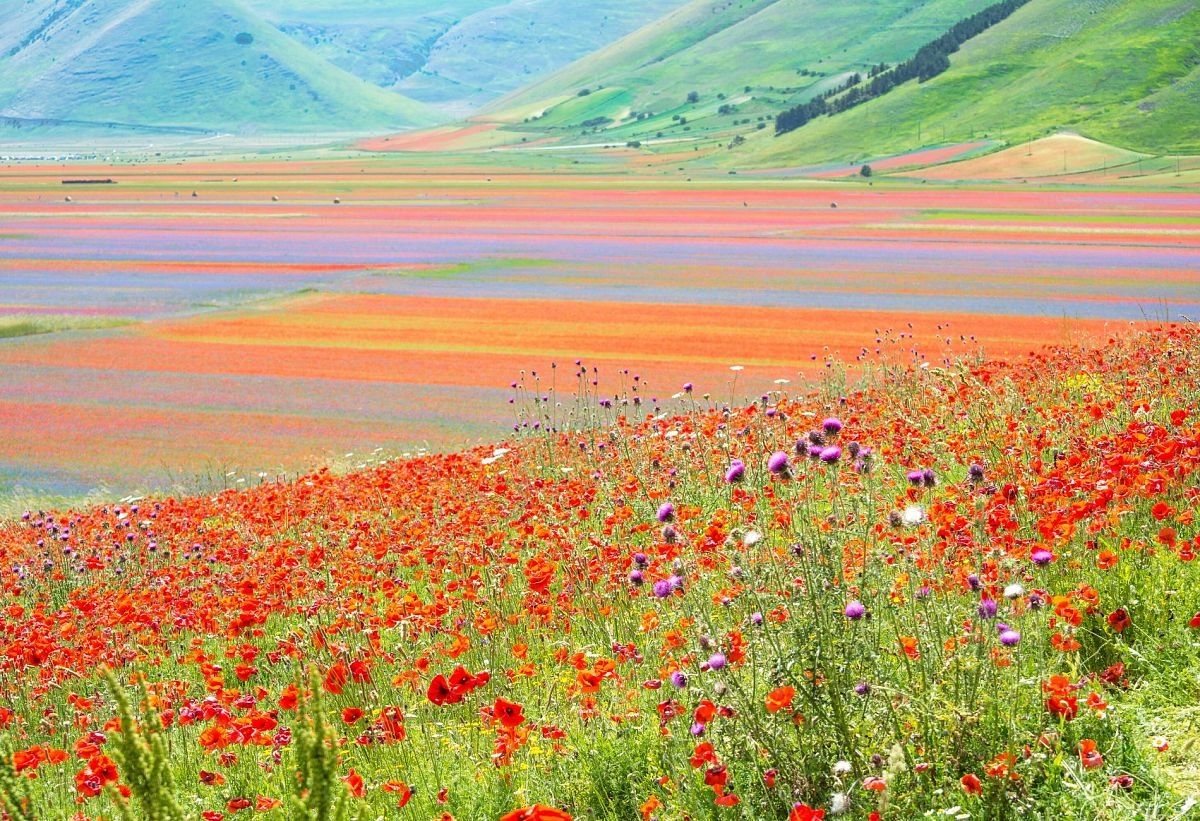
Perched atop the Pian Grande plateau, Castelluccio di Norcia is a village seemingly suspended in time. Each summer, the Fioritura transforms the plateau into a tapestry of red poppies, yellow lentils, and violet wildflowers. Hiking here is a sensory experience: the scent of mountain herbs in the air, the hum of insects among the blooms, and the occasional church bell echoing from the village. Peak bloom occurs late May to early June, but visiting just before or after allows quieter, more reflective exploration. Afterwards, local trattorias offer simple but exquisite dishes, including lentil soups and Norcia salumi, where each bite tells a story of place and heritage.
Tuscan hilltop borghi: Radicondoli, Monticchiello, Radicofani
Southern Tuscany hides villages largely overlooked by visitors, yet brimming with charm:
- Radicondoli: A medieval village perched on a hill with ochre-coloured houses and narrow streets. Time seems to slow here, inviting a gentle wander through quiet lanes and sunlit squares.
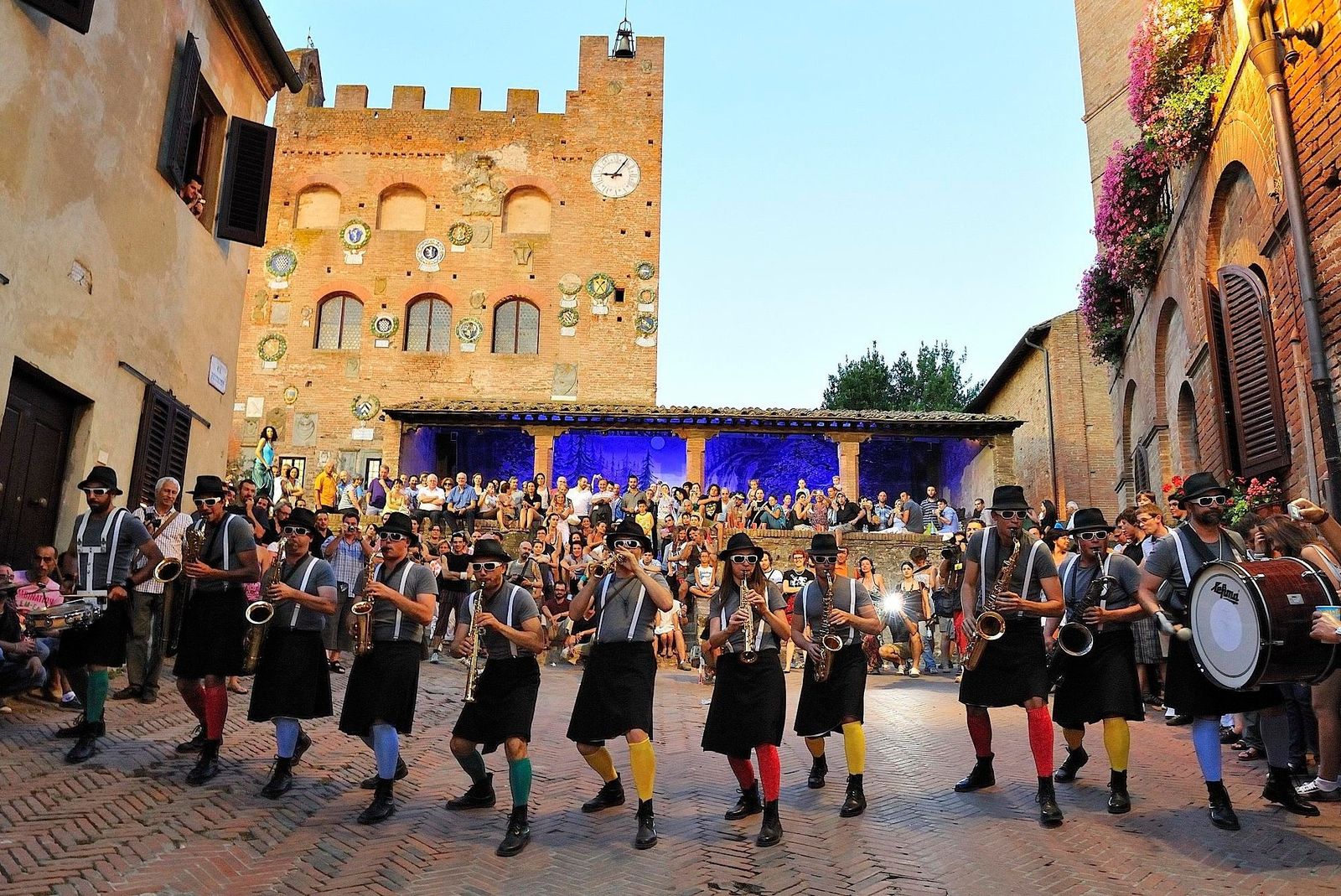
- Monticchiello: Cobblestone streets wind past artisan workshops and a small theatre in the main piazza. The village hosts occasional performances that reflect centuries of local culture.
- Radicofani: Dominated by its fortress, this village offers panoramic trails overlooking the Val d’Orcia. The fortress walls invite exploration, and surrounding hills are perfect for contemplative walks.
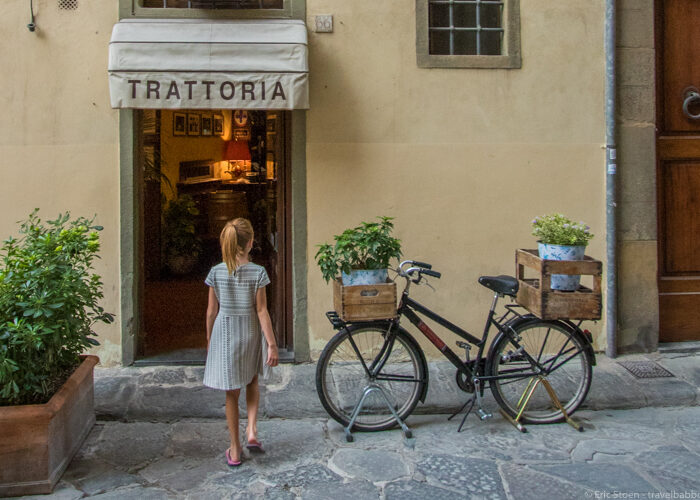
In all three villages, the rhythm is measured by sunlight and daily life, not schedules. Small details – a hand-painted sign, a weathered door, the scent of baking bread – reward careful observation.
Marche’s secret villages near the Sibillini
The foothills of Marche hide villages where modern life seems paused:
- Sarnano: Lavender fields and Renaissance walls frame narrow streets. Passing a family-run café or artisan workshop is a common delight.
- Visso: Its central square and historical architecture create a sense of calm; occasional music events and markets provide glimpses of daily life.
- Montalto delle Marche: A perched village with tranquil streets and artisan shops. Here, church bells and sunlight mark the rhythm of the day.
Visiting these villages offers a genuine encounter with off-the-beaten-path Italy, a chance to witness living culture in its most authentic form.
Seasonal Experiences & Cultural Rhythm
Festivals, sagre, and summer rituals
Summer in these villages is alive with tradition:
- Sagre del Cinghiale: Celebrating boar with local recipes in village squares
- Festa della Madonna: Centuries-old processions of faith
- Marche music festivals: Intimate concerts in castle courtyards
Participating allows travellers to move from observer to participant, immersed in rituals that endure through generations.
Best times for walks, photography, and reflection
Early mornings offer cool, still air and soft light; late afternoons provide golden illumination ideal for capturing the villages in photography. Midday invites pausing in the shade, enjoying a local wine, or reflecting quietly in the piazza.
Local markets and artisan encounters
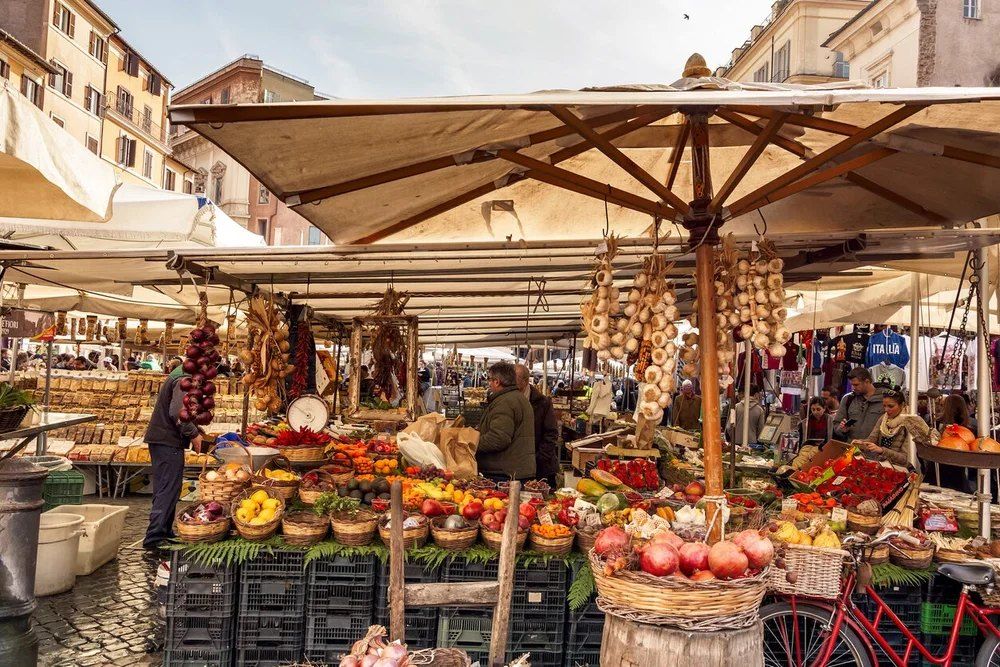
Markets overflow with summer produce and handcrafted goods. Each encounter is an opportunity to connect with local culture – whether tasting a seasonal cheese, watching an artisan at work, or learning the story behind a craft.
Culinary Experiences & Food Secrets
Signature dishes
Across Tuscany, Umbria, and Marche, summer brings flavours shaped by land, season, and centuries of tradition. In Tuscany, dishes often begin with simple ingredients. Pici pasta is rolled by hand, wild boar is slow-cooked with herbs, and pecorino ages naturally in cool stone cellars. These foods are rustic yet refined, and they reflect the rhythm of rural life.
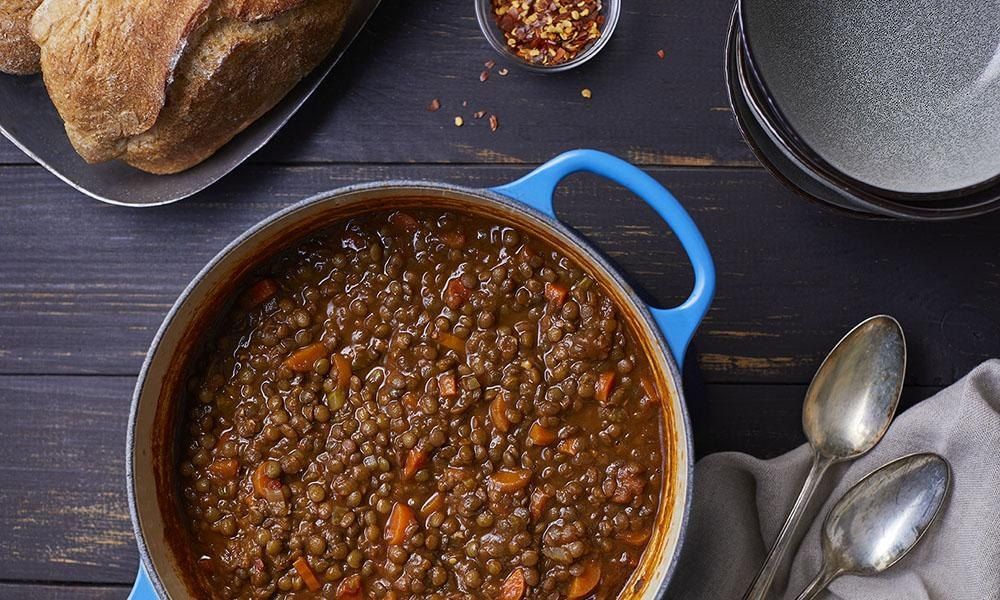
In Umbria, the cuisine becomes earthier. Truffles add depth to even the simplest dishes, while lentil soups from Castelluccio offer warmth and nourishment. Norcia salumi, produced with care and patience, reveal the area’s long-standing craftsmanship. Each bite carries the character of the mountains and fields.
In Marche, flavours shift again. Ciauscolo sausage spreads softly on warm bread. Brodetto, the local fish stew, celebrates the region’s coastal influence. Meanwhile, the extra virgin olive oil – fragrant and peppery – brings brightness to every meal.
As a result, each region presents its own interpretation of Italian summer. Choosing family-run trattorias not only ensures authenticity, but also supports the local communities that preserve these food traditions.
Farm visits, cooking classes, and artisans
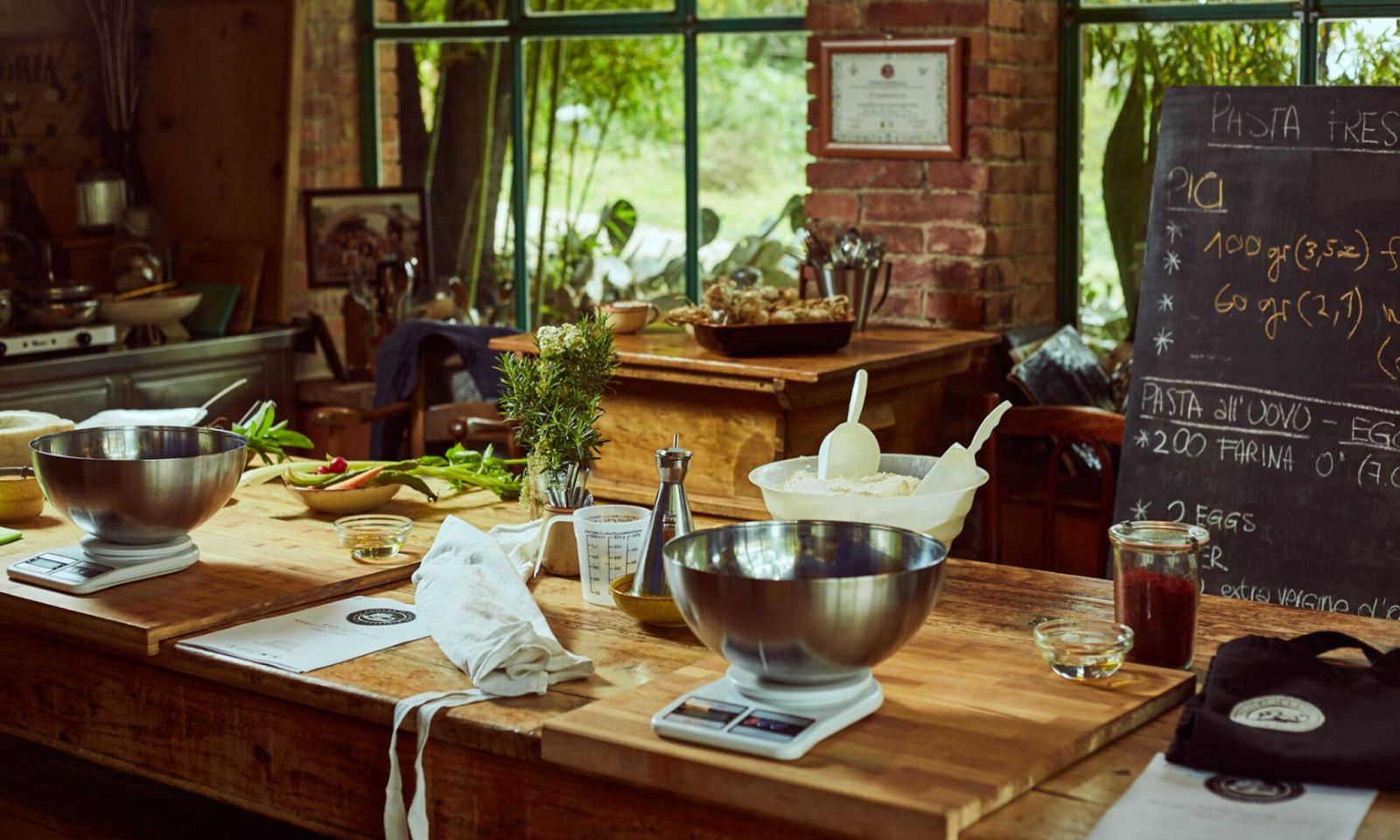
Hands-on experiences deepen the connection to these landscapes. For instance, a pasta-making class in Tuscany reveals the patience behind each strand of pici. In addition, visiting an olive mill in Marche allows you to taste oil straight from the press – fresh, green, and intensely aromatic.
Meanwhile, in Umbria, cheese producers welcome travellers into their cellars. Here, wheels mature slowly in the cool air, absorbing the subtle aromas of wood and stone. Short workshops often include tastings, which help you understand how local grasses, animal breeds, and microclimates shape each cheese. Many small farms open their doors to visitors during summer. You might stroll through vegetable gardens, learn how herbs are harvested, or meet families who continue age-old traditions. Therefore, these encounters create a deeper appreciation of the land and the people who cultivate it.
These experiences provide something rare: the chance to connect with food not only as a meal, but as a story – one told through hands, aromas, landscapes, and the passing of seasons.
How to ask locals for recommendations
Connecting with locals often leads to the most memorable discoveries. Moreover, people in Tuscany, Umbria, and Marche are usually happy to share advice, especially when they see genuine curiosity. As a result, even a simple question can open the door to hidden trattorias, family farms, or small artisans you would never find online.
Here are a few easy phrases you can use:
- “Dove posso trovare un ristorante tipico?” (Where can I find a traditional restaurant?) This question works in any village. In many cases, locals will point you to places without menus in English, where the food is seasonal and homemade.
- “Qual è il prodotto locale da provare?” (What local product should I try?) This is especially helpful at markets or farm shops. Often, the answer includes specialities not listed in guidebooks.
To sound even more natural, you can add a polite opening such as “Mi scusi” (excuse me) or “Buongiorno” (good morning). In addition, smiling and showing interest usually encourages people to share more detailed suggestions.
Using a few simple Italian phrases not only improves your experience, but also creates small moments of genuine connection.
Practical Guidance for Slow Travellers
Getting there
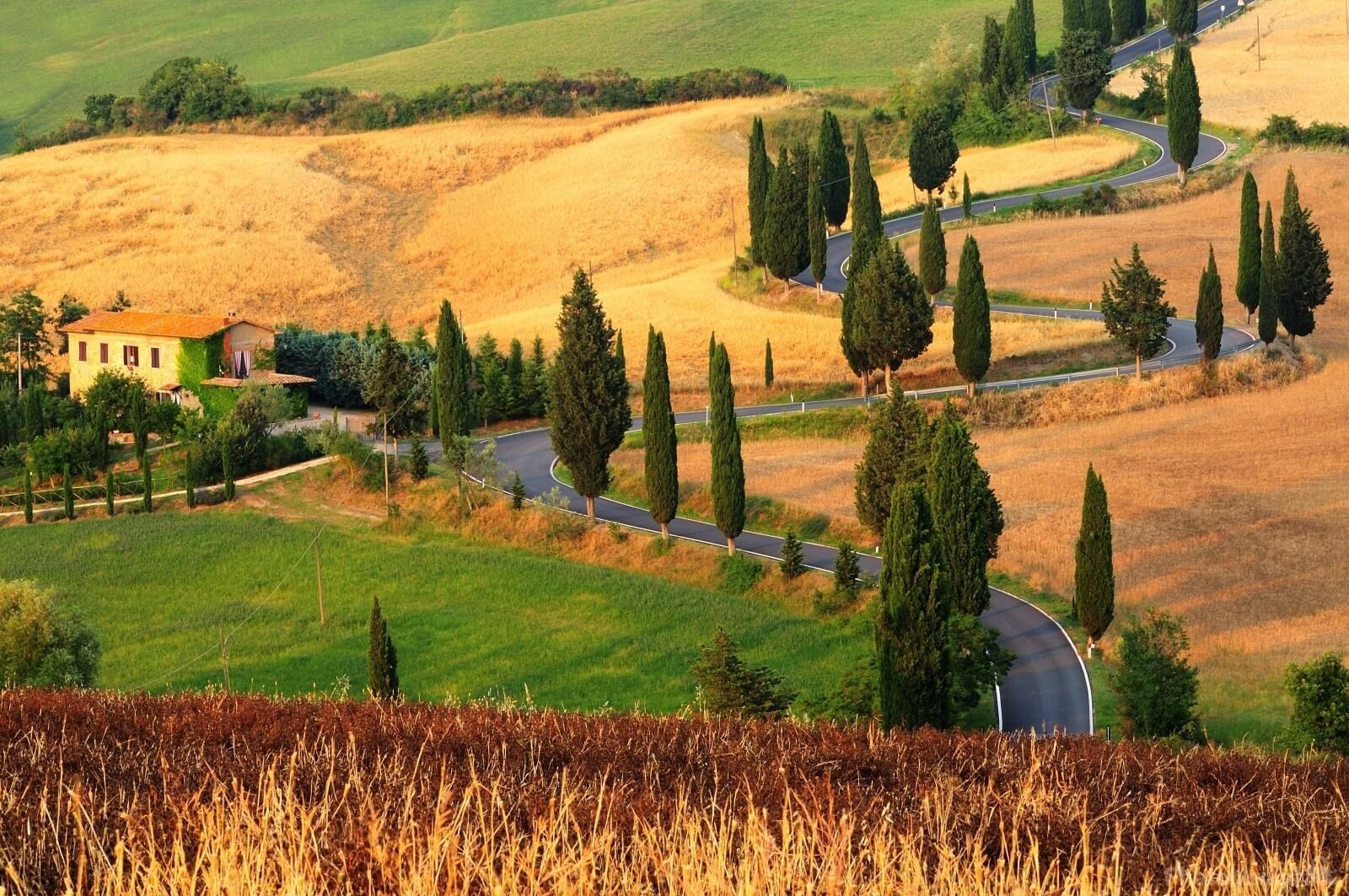
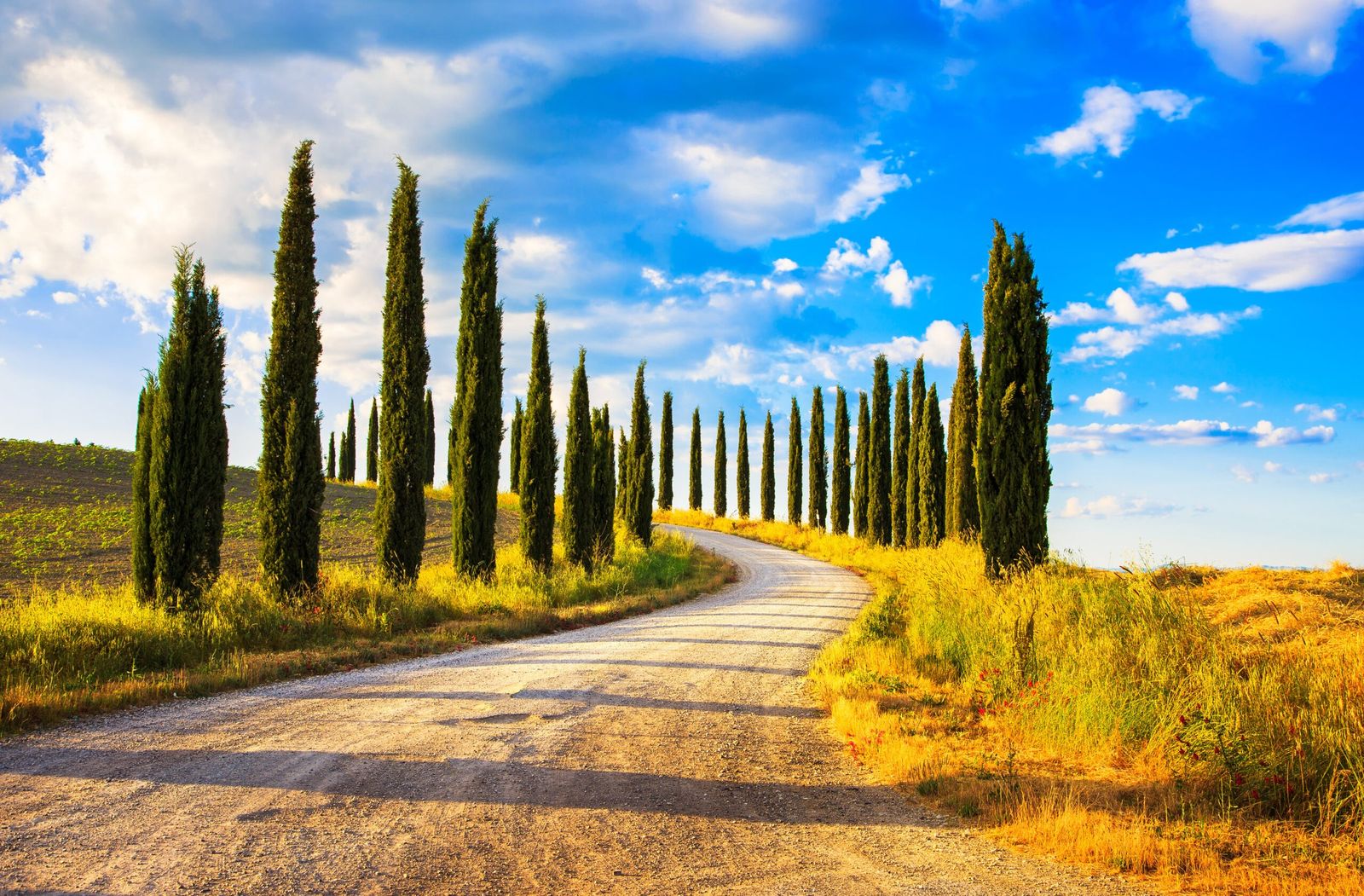
Driving is recommended for flexibility, especially in the smallest villages where public transport is limited. Trains run to major towns, but the final stretch often requires a taxi or a local bus. Because of this, having a car opens up quiet backroads and lesser-known routes. Scenic roads are part of the journey and, quite often, they reveal unexpected viewpoints – soft hills, wheat fields, and silent ridgelines that define this part of Central Italy.
Where to sleep
The region offers a range of intimate places to stay, each adding its own character to a slow-travel experience.
- Agriturismi: Farm stays with seasonal breakfasts, homemade cakes, and hosts who share stories about their land.
- Boutique B&Bs: Small houses with artisan linens, locally crafted ceramics, and terraces that open onto rolling hills. These stays feel personal and carefully curated.
- Small hotels: Restored palazzos or village residences with thoughtful service. They are ideal if you prefer a bit more structure while still enjoying an intimate setting.
Moreover, choosing smaller, family-run accommodation supports the local economy and keeps traditional hospitality alive.
Connectivity & services
In these borderlands, modern services can feel lighter. Expect limited Wi-Fi, spotty mobile coverage, and occasional cash-preferred transactions. However, ATMs are available in larger villages, and pharmacies are usually located in central squares. For this reason, it’s wise to download offline maps, carry some cash, and plan essential purchases in advance.
Responsible Travel & Preserving the Secret
Low-impact mobility
Exploring these landscapes at a slower pace protects both the environment and the delicate rural rhythm. Walking, cycling, or using e-bikes allows you to follow quiet lanes and centuries-old footpaths without disturbing the terrain. Moreover, slower travel gives you time to notice the scent of wild herbs, the sound of distant bells, and the changing colours of the hills – details often missed from a car.
Respecting local culture
Village life follows its own cadence. Therefore, entering these communities with respect makes every interaction more meaningful. Attend festivals as a guest, not an observer; allow the rituals and rhythms to unfold naturally around you. When exploring, remain mindful of private property, gardens, and farm boundaries, which are often unmarked. When taking photographs, always do so with sensitivity – people and sacred spaces deserve discretion.
Supporting small economies

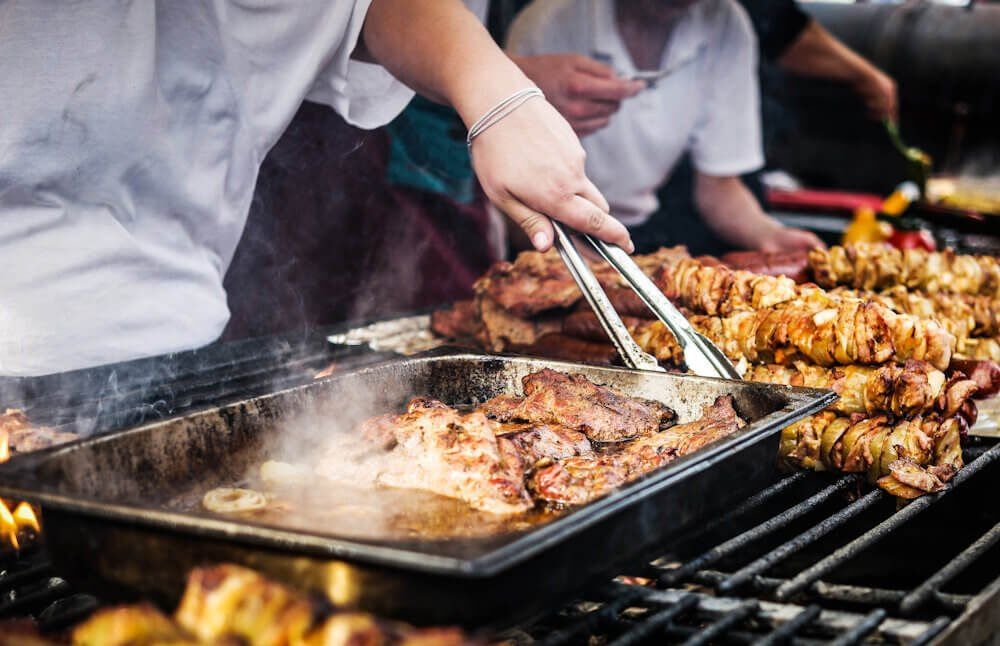
Choosing to buy from artisans, local markets, and family-run trattorias directly sustains the villages you visit. In addition, handcrafted ceramics, olive oil, cured meats, and natural textiles hold stories of heritage and craft, making them far more meaningful than mass-produced souvenirs. Your choices help preserve the skills, flavours, and traditions that define these borderlands.
Your Next Step Towards Authentic Italy
Summer in the borderlands of Tuscany, Umbria, and Marche invites you to travel with intention. These hills, fields, and elevated villages encourage a quieter rhythm – one where every moment feels sharper, more present. As you move through winding roads, taste seasonal dishes, or pause in a shaded piazza, you begin to understand why this part of Italy remains so deeply cherished.
Here, authenticity is not curated; it simply exists. And as you explore, the landscape returns something rare: a sense of calm that follows you long after the journey ends.